
What is Functional Ultrasound ?
A new generation of neuroimaging technology
Understanding how the brain works requires tools capable of measuring brain activity with high precision. For decades, researchers have relied on techniques such as functional MRI (fMRI) or electrophysiology. However, these methods often come with limitations in terms of sensitivity, resolution, or experimental flexibility.
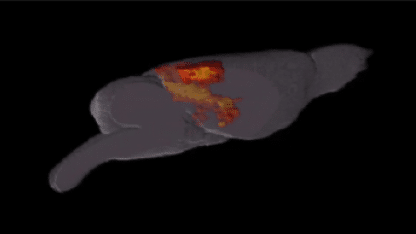
Functional ultrasound (fUS) is an emerging neuroimaging technology that is transforming the way scientists observe brain activity. By combining ultrasound physics with advanced signal processing, fUS makes it possible to visualize brain function in real time with exceptional sensitivity.
A technology that measures brain activity through blood flow
Functional ultrasound imaging relies on a simple biological principle: when a brain region becomes active, it requires more oxygen and nutrients. This increased demand leads to a local change in blood flow.
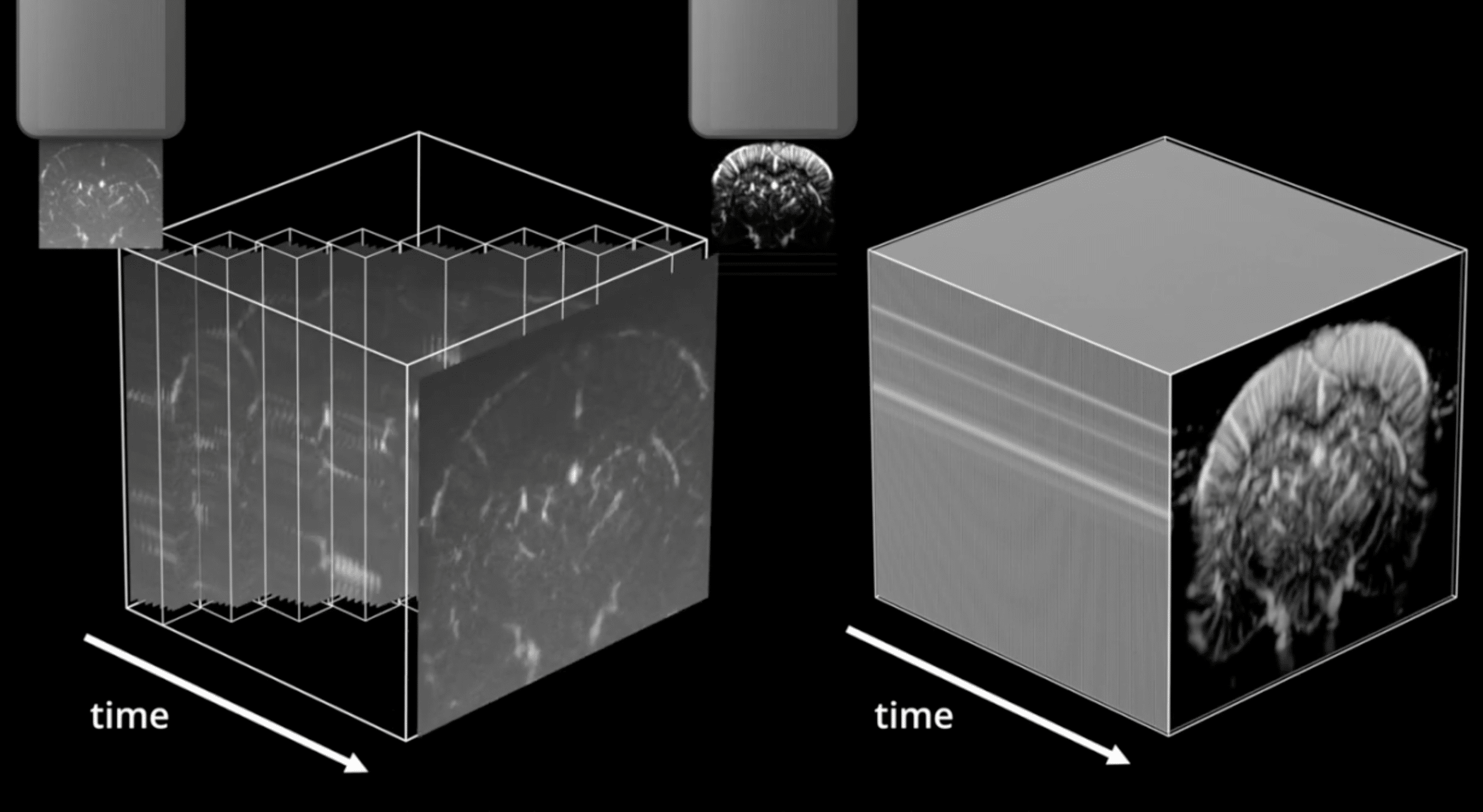
fUS detects these tiny variations in cerebral blood volume using ultrafast ultrasound imaging. By tracking these changes with high precision, researchers can map brain activity dynamically and identify which areas of the brain are engaged during specific tasks or stimuli.
Unmatched sensitivity and resolution
One of the main advantages of functional ultrasound is its ability to detect very small changes in blood flow. Thanks to ultrafast imaging techniques, fUS can capture thousands of frames per second, allowing extremely sensitive measurements of vascular dynamics.
Compared with traditional neuroimaging methods, fUS offers:
- High spatial resolution, enabling detailed imaging of brain structures
- High temporal resolution, capturing rapid changes in brain activity
- Exceptional sensitivity to subtle hemodynamic variations
This combination allows researchers to observe neural activity with unprecedented detail.
A versatile tool for neuroscience research
Functional ultrasound is particularly valuable in preclinical research because it can be used in a wide range of experimental conditions. The technology allows scientists to study brain activity in behaving animals, opening the door to more realistic and complex neuroscience experiments.
Researchers can use fUS to investigate:
- Sensory processing
- Brain connectivity
- Cognitive functions
- Neurological disorders
By providing a dynamic view of brain function, fUS helps scientists better understand how neural networks operate.
Complementary to existing imaging techniques
While technologies like fMRI remain essential in many contexts, functional ultrasound offers unique advantages. It is more compact, flexible, and sensitive in certain experimental settings, making it a powerful complementary tool in the neuroimaging landscape.
Together, these technologies contribute to a more comprehensive understanding of brain function.
The future of brain imaging
Functional ultrasound represents a major innovation in neuroscience. By combining real-time imaging, high sensitivity, and excellent resolution, it provides researchers with a powerful new way to explore brain activity.
As the technology continues to evolve, fUS is expected to play an increasingly important role in neuroscience research, helping scientists uncover new insights into how the brain works and how neurological diseases develop.